NSFW AI Art Generator Pricing: Free Credits, Plans, and What Matters
Learn how NSFW AI art generators charge, what drives real cost, and how to pick plans without surprises. Then check live pricing.
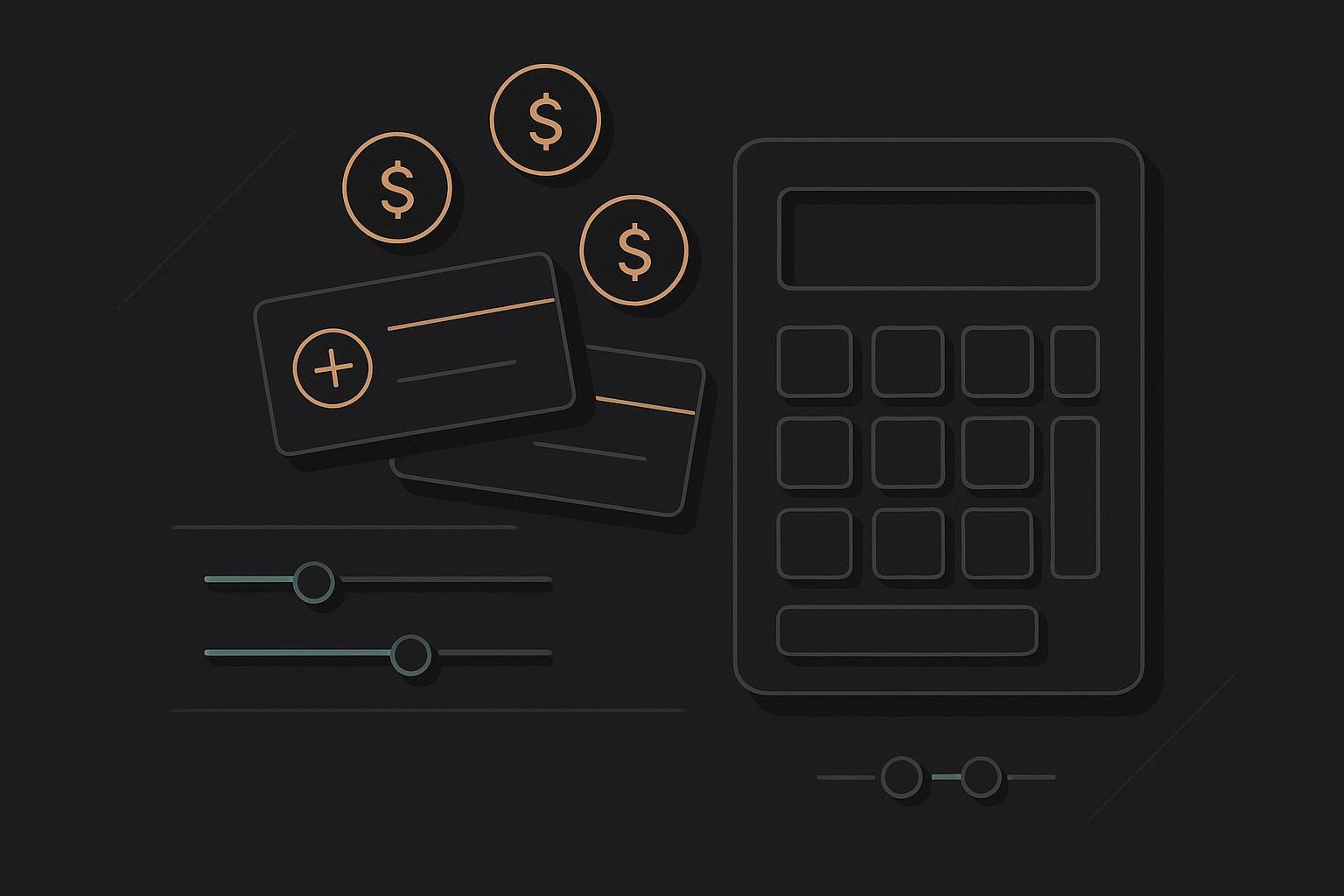
Pricing pages for NSFW AI art generators look simple until you actually try to finish a piece.
Because in art workflows, you don’t pay for “one image.” You pay for exploration: iterations, edits, upscales, and the extra attempts it takes to land a keeper. That’s why the most useful way to think about nsfw ai art generator pricing is less about sticker price—and more about your cost per finished artwork.
Key takeaways
Most NSFW AI art tools charge in one of four patterns: credits, subscriptions, hybrid, or free tier + upgrade.
Your real costs usually hinge on iteration (re-generation), resolution/upscales, and whether consistency/privacy features are gated.
If you can estimate your keeper rate, you can choose the right model fast—without obsessing over individual plan pages.
Don’t trust pricing “snapshots” you see in old blog posts or videos. Check current rates directly.
NSFW AI art generator pricing models you’ll run into
Even if two tools both say “credits,” they can behave very differently once you start pushing for style consistency or higher resolution.
1) Credit-based pricing
You buy a pool of credits, and each generation consumes some amount. The key detail is that consumption is often variable: higher resolution, extra processing, or premium modes may cost more.
This model tends to fit you if:
your usage is spiky (bursts of heavy creation followed by downtime)
you want pay-per-use flexibility
Common gotchas:
unclear conversion between credits and outcomes (especially when upscales or edits enter the workflow)
credits that expire or don’t roll over, depending on the platform’s rules
2) Subscription plans
You pay monthly or yearly and get an included quota plus plan perks (speed/priority, higher quality settings, more controls).
This model tends to fit you if:
you create consistently every week
you value predictability and fewer interruptions
Trade-off to watch:
subscriptions feel “cheaper” until you realize your workflow is iteration-heavy; the quota can disappear fast if your keeper rate is low.
If you like the “effective cost” framing, DeepSpicy’s guide on NSFW AI generator pricing: free credits vs paid plans explains a practical TCO mindset you can reuse for art.
3) Hybrid models
Hybrid usually means: a subscription includes a base quota, and you can top up with credits (or pay overage) when you exceed it.
This is often the most realistic fit for experienced users—because it lets you budget a baseline while still handling a heavy exploration week.
The downside: hybrid systems can be hard to predict if there are multiple “wallets” or point types. Cybernews’ SeaArt AI review is a good example of how daily free points + purchased credits can confuse users when rules aren’t crystal clear.
4) Free tier with paid upgrade
A free tier is usually a testing budget: enough to learn prompts, probe models, and validate that a tool fits your style.
The upgrade is typically about removing friction—priority, higher resolution, fewer restrictions, publish-ready outputs.
What actually drives cost in NSFW AI art
If you’ve used general AI image tools before, you already know the basics. The art-specific trap is that stylized work is iterative—and iteration multiplies cost.
Style complexity isn’t just aesthetic—it’s economics
Different styles can change how many attempts you need.
Anime / hentai-style aesthetics (adult characters, 18+ subjects) often demand tight control over anatomy, line quality, and consistency.
Realistic or painterly looks can be less forgiving about lighting, skin texture, and composition.
The point isn’t that one style is “more expensive.” It’s that your keeper rate changes by style, and pricing models punish low keeper rates.
Resolution and upscales can quietly double your spend
Many tools treat higher resolution as a separate cost step—either via multipliers or an additional upscale action.
If your goal is “shareable” or “printable” quality, check whether HD output is:
included in your tier
charged as a multiplier
handled as a separate upscale workflow
Re-generation cost is the hidden line item most buyers ignore
Art creation is exploratory. Even with a strong prompt, you’ll often iterate on:
pose and framing
facial features and anatomy
lighting and mood
wardrobe/accessory details
If every re-roll is billed like a fresh generation, your effective cost per finished artwork can climb faster than you expect. The same pricing trap shows up in video workflows, too—if you’re comparing image vs motion, check DeepSpicy’s NSFW AI video generator to see how generation + iteration typically gets structured on the video side.
Key Takeaway: If you don’t model iteration, you’ll mis-pick your plan. The best plan is the one that reduces wasted attempts—not the one with the lowest headline price.
Consistency features can change the math
If you’re building a series, character consistency and style consistency can matter more than raw “credits per image.”
In pricing pages and plan grids, this often shows up under headings like character consistency pricing—either because consistency tools are gated to higher tiers, or because they change how many attempts you need to get a keeper.
Depending on the platform, consistency may involve:
seed locking
reference conditioning
dedicated character tools
extra steps that increase per-piece actions
This is also where “art” and “image” workflows tend to diverge the most. If you want the deeper breakdown, see NSFW AI art generator vs NSFW AI image generator, especially the sections on series/edit-heavy work and how it affects value.
LoRA and custom styles: powerful, but don’t assume they’re “standard”
Custom style tools (including LoRA-based workflows) are often a dividing line between casual and serious use. The pricing impact isn’t just whether they exist—it’s whether they’re:
gated to higher tiers
limited in training or usage
designed for repeatable production (not just experimentation)
Watermark removal and private generation: small words, big impact
Two features that often separate “fun testing” from “usable output”:
Watermark removal: if you need clean deliverables, this may be tied to paid tiers.
Private generation: if discretion matters, check whether private mode is standard or gated.
Commercial use rights: read the clause, not the marketing
If you’re doing any kind of paid work—selling packs, using artwork in marketing, or creating assets for clients—commercial terms can be the real reason to upgrade.
At a minimum, look for:
what the tool allows you to sell or publish
whether attribution is required
whether certain use cases are restricted
Keep it consent-first: stick to fictional, adult-only characters and scenarios.
What matters: how to pick the right model for your workflow
Instead of asking “Which plan is cheapest?”, ask a better question:
Which plan gives me the lowest cost per finished artwork for my workflow?
Here’s a simple worksheet you can run in a notes app or spreadsheet.
Step 1: Estimate your monthly output
K = how many finished artworks you want per month (keep this realistic)
Step 2: Estimate your success rate
p = your keeper rate (what share of attempts you’d actually keep)
r = extra retries per keeper (if you track p loosely, keep r conservative)
Step 3: Add the “art multipliers”
e = average edits per keeper (inpainting/outpainting/prompt edits)
u = average upscales per keeper (if you routinely need HD)
Step 4: Compare plans by actions per keeper
You don’t need any pricing numbers to learn something useful here.
Attempts per keeper ≈ 1/p + r
Actions per keeper ≈ attempts + e + u
Then ask:
Does this plan increase p (higher keeper rate) by giving you better control or consistency?
Does it decrease r (fewer retries) by making outputs more predictable?
Does it make HD output and private mode practical for your goal?
If you want an adjacent “upgrade decision” checklist, this DeepSpicy post—AI porn generator free vs paid: is it worth paying?—captures the same logic without relying on a single tool’s price table.
Pricing pitfalls to watch for
These are the patterns that make a plan look cheap until you’re already committed.
Credit conversion opacity: you can’t tell how many usable outputs a credit pack really buys.
HD multipliers: higher resolution quietly costs more per attempt.
Iteration billed at full price: every re-roll is treated like a full generation.
Overage shock: extra usage is priced worse than in-plan usage.
Credit expiration: unused credits disappear after a time window.
Commercial rights hidden in higher tiers: you can generate, but can’t legally use/sell the output the way you need.
Upgrade/downgrade ambiguity: unclear what happens to unused credits or quota when you change tiers.
⚠️ Warning: If a pricing page doesn’t clearly explain overage and expiry rules, assume the risk is on you.
Free credits vs paid upgrade: what “free” usually means in practice
A free tier is great for evaluation—but it’s rarely designed for steady production.
Typically, free credits:
refresh on a schedule (daily or monthly, depending on the platform)
come with queue priority limits
cap resolution or add a watermark
still allow you to test core styles and prompt adherence
In other words: nsfw ai art generator free credits are best treated as a way to learn your workflow and estimate your keeper rate—not as a reliable production budget.
If you want a DeepSpicy-specific overview of free vs paid without relying on a price snapshot, start here: DeepSpicy Free vs Paid: Free NSFW AI Generator Guide.
Why this article doesn’t list exact numbers
Plan prices, credit rates, and inclusions change fast—and “pricing snapshots” go stale.
If you’re evaluating DeepSpicy specifically, the only trustworthy source is the live pricing page. (You’ll also see how DeepSpicy’s NSFW AI art generator plans are structured right now, without relying on any third-party summary.)
DeepSpicy’s one-line positioning, for context: DeepSpicy, an NSFW AI generation platform covering image, video, art, and uncensored chat.
Next steps
If you’re ready to compare real tiers and current rates, see DeepSpicy pricing and map the plans to your keeper rate and resolution needs.
If you already know you’ll be iterating for consistency, review DeepSpicy’s NSFW AI art generator settings so you can tune quality and reduce wasted attempts.
Responsible use note: keep prompts consent-first and adult-only (18+), and avoid generating anything that uses real people or non-consensual scenarios.
Keyword note for searchers: if you’re specifically comparing an ai art generator credit system, use the worksheet above to translate “credits” into actions-per-keeper—then the plan comparison becomes straightforward.